

Treatment of Malaria
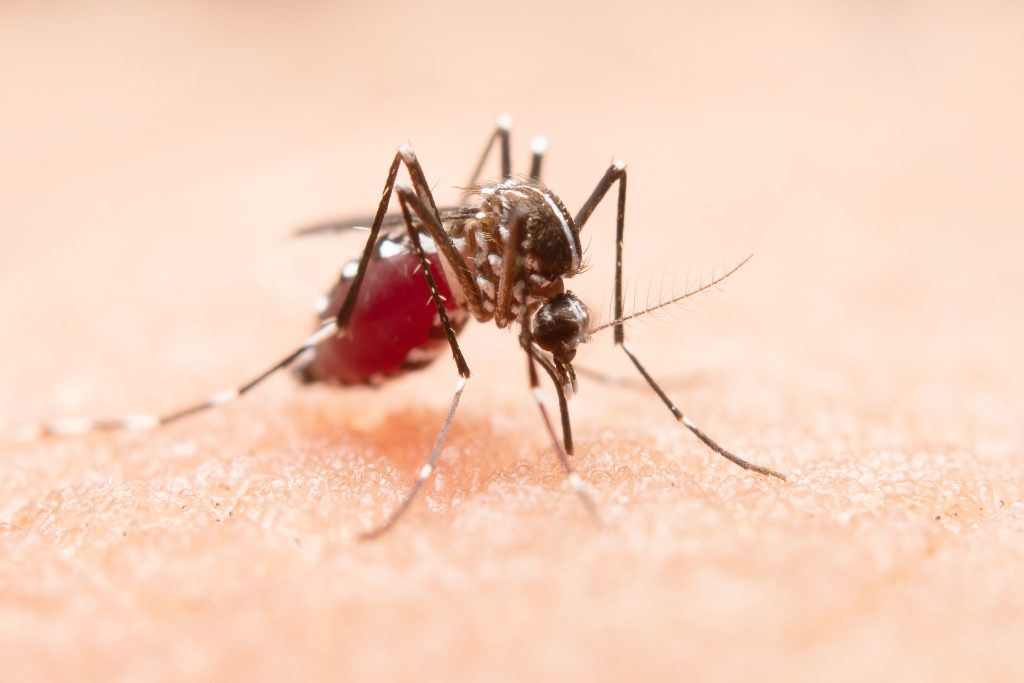
For Uncomplicated Falciparum malaria (Adult >35 kg) The first line treatment for falciparum malaria is artemether + lumefantrine (AL) given over three days and a single dose primaquine. (6 doses) STAT-8Hrs- then BD for 2 more days. NOTE: Take after a full meal or whole milk. If a patient vomits within 30 minutes of taking a dose, he or she should repeat the dose. Ideally, the first two doses should be taken 8 hours apart. For Complicated Falciparum Malaria (Severe): Intravenous or intramuscular artesunate for at least 24 h and until the patient can tolerate oral medication. Once a patient has received at least 24h of parenteral therapy and can tolerate oral therapy, complete treatment with full course artemether + lumefantrine (AL). Inj. Artesunate 2.4 mg/kg STAT, 12 hours and 24hours and then OD until oral medication is tolerated. If Artemisinin combination therapy is not available and chloroquine sensitive species. Dosage Distribution: Chloroquine- Day 1: chloroquine is given at an initial dose of 10 mg base/kg body weight, Day 2: followed by 10 mg/kg body weight, Day 3: 5 mg/kg body weight. Primaquine- 0.25 mg/kg body weight per day. Artemether and Lumefantrine- Total dose of 5-24 mg/kg of artemether and 29-144 mg /kg of lumefantrine. Malaria Types of species that cause malaria: What causes malaria? High risk individuals for malaria Symptoms of Malaria: Clinical findings include: How does malaria get transmitted? Following the bite of an infected female Anopheles mosquito, the inoculated sporozoites migrate to the liver within one to two hours. Individuals are generally asymptomatic for 12 to 35 days after infection, but symptoms can commence as early as 7 days (depending on parasite species). Symptoms begin during the erythrocytic stage of the parasite life cycle, when infected red cells rupture and release merozoites, leading to fever and other symptoms. In most cases, infections due to P. falciparum become clinically apparent within one month after exposure. Longer incubation periods are more likely in semi-immune individuals and individuals taking incompletely effective malaria prophylaxis. The incubation period for the relapsing species, Plasmodium vivax and Plasmodium ovale, is also about two weeks; however, illness can occur months after initial infection due to activation of residual hypnozoites in the liver. Relapses generally occur within two to three years of infection; with even longer periods of dormancy being reported. The incubation period for Plasmodium malariae is about 18 days; however, low-grade asymptomatic infections can very rarely persist for years. P. falciparum and P. malariae have no dormant (hypnozoite) phase, hence do not relapse. Treatment for Malaria: The treatment depends on the species of plasmodium. -Symptomatic management includes Paracetamol -Oral medication includes: Artemether, Lumefantrine, Chloroquine, Primaquine -Injectable medication includes: INJ Artesunate For Uncomplicated Falciparum malaria (Adult >35 kg) The first line treatment for falciparum malaria is artemether + lumefantrine (AL) given over three days and a single dose primaquine. (6 doses) STAT-8Hrs- then BD for 2 more days. NOTE: Take after a full meal or whole milk. If a patient vomits within 30 minutes of taking a dose, he or she should repeat the dose. Ideally, the first two doses should be taken 8 hours apart. For Complicated Falciparum Malaria (Severe): Intravenous or intramuscular artesunate for at least 24 h and until the patient can tolerate oral medication. Once a patient has received at least 24h of parenteral therapy and can tolerate oral therapy, complete treatment with full course artemether + lumefantrine (AL). Inj. Artesunate 2.4 mg/kg STAT, 12 hours and 24hours and then OD until oral medication is tolerated. If Artemisinin combination therapy is not available and chloroquine sensitive species. Dosage Distribution: Chloroquine- Day 1: chloroquine is given at an initial dose of 10 mg base/kg body weight, Day 2: followed by 10 mg/kg body weight, Day 3: 5 mg/kg body weight. Primaquine- 0.25 mg/kg body weight per day. Artemether and Lumefantrine- Total dose of 5-24 mg/kg of artemether and 29-144 mg /kg of lumefantrine. Malaria Types of species that cause malaria: What causes malaria? High risk individuals for malaria Symptoms of Malaria: Clinical findings include: How does malaria get transmitted? Following the bite of an infected female Anopheles mosquito, the inoculated sporozoites migrate to the liver within one to two hours. Individuals are generally asymptomatic for 12 to 35 days after infection, but symptoms can commence as early as 7 days (depending on parasite species). Symptoms begin during the erythrocytic stage of the parasite life cycle, when infected red cells rupture and release merozoites, leading to fever and other symptoms. In most cases, infections due to P. falciparum become clinically apparent within one month after exposure. Longer incubation periods are more likely in semi-immune individuals and individuals taking incompletely effective malaria prophylaxis. The incubation period for the relapsing species, Plasmodium vivax and Plasmodium ovale, is also about two weeks; however, illness can occur months after initial infection due to activation of residual hypnozoites in the liver. Relapses generally occur within two to three years of infection; with even longer periods of dormancy being reported. The incubation period for Plasmodium malariae is about 18 days; however, low-grade asymptomatic infections can very rarely persist for years. P. falciparum and P. malariae have no dormant (hypnozoite) phase, hence do not relapse. Treatment for Malaria: The treatment depends on the species of plasmodium. -Symptomatic management includes Paracetamol -Oral medication includes: Artemether, Lumefantrine, Chloroquine, Primaquine -Injectable medication includes: INJ Artesunate Severe Malaria
Treatment of Malaria Read More »