
Interesting facts about Vitamin D:
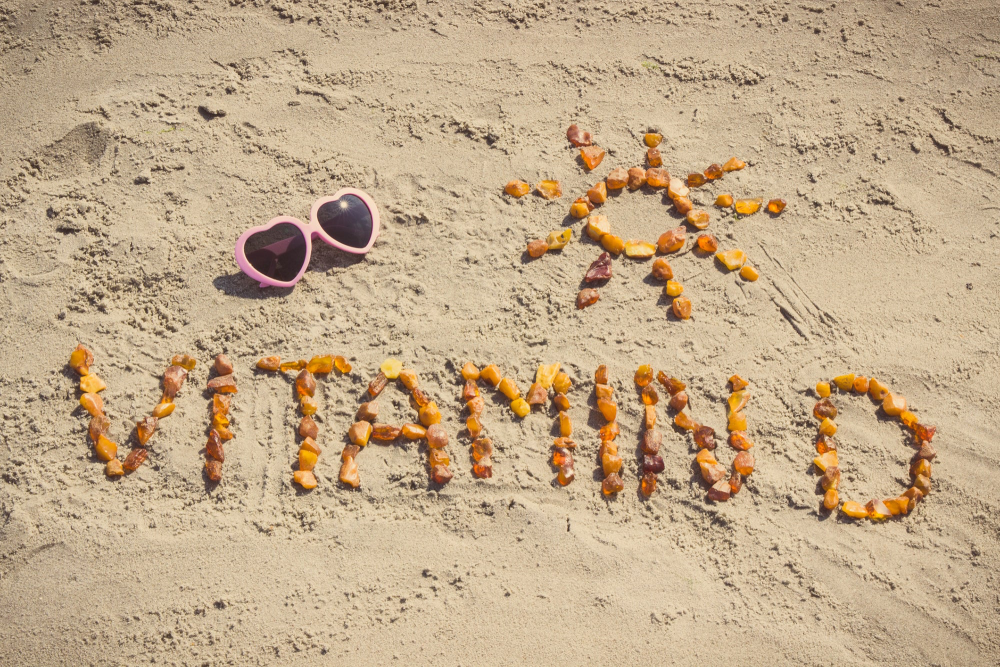
Vitamin D insufficiency affects almost 50% of the population worldwide. Vitamin D was used in the pre-antibiotic era for the treatment of patients with tuberculosis (TB), when the ancient Greeks had first introduced “heliotherapy” (i.e., sunlight exposure) to treat TB. Vitamin D deficiency is linked with cardiovascular disease, anxiety, depression. Overview of Vitamin D Vitamin D is a fat-soluble vitamin. (Fat soluble vitamins are Vitamin A,D,E,K). Very few foods naturally contain vitamin D (fatty fish are the exception), so dermal synthesis is the major natural source of the vitamin.(From Skin) Vitamin D from the diet or dermal synthesis is biologically inactive and requires enzymatic conversion to active metabolites. Vitamin D is converted enzymatically in the liver to 25-hydroxyvitamin D (25[OH]D), the major circulating form of vitamin D, and then in the kidney to 1,25-dihydroxyvitamin D, the active form of vitamin D. Vitamin D and its metabolites have a significant clinical role because of their interrelationship with calcium homeostasis and bone metabolism. Rickets (children) and osteomalacia (children and adults) due to severe vitamin D deficiency are now uncommon except in populations with unusually low sun exposure, lack of vitamin D in fortified foods, and mol-absorptive syndromes. Subclinical vitamin D deficiency, as measured by low serum 25(OH)D, is very common. From where do we obtain vitamin D? Sources of vitamin D – Very few foods naturally contain vitamin D; fatty fish are the exception. Some foods/drinks are fortified with vitamin D (eg, milk, breakfast cereals). Vitamin D3 (cholecalciferol) is synthesized non-enzymatically in skin from 7-dehydrocholesterol during exposure to the ultraviolet (UV) rays in sunlight. Very few foods naturally contain vitamin D (fatty fish are the exception, although content can vary considerably; dermal synthesis is the major natural source of the vitamin(Sunlight is important). How does Vitamin D deficiency occur? Symptoms of Vitamin D deficiency? Vitamin D benefits in: Bone Immunity Cardiovascular disease Cancer Type 2 diabetes Neuroprotection What is the normal requirement of vitamin D? Children 1 to 18 years and adults through age 70 years is 600 international units (15 mcg) daily. The RDA is 800 international units (20 mcg) daily after age 71 years. For pregnant and lactating mothers, the recommended intake is 600 international units (15 mcg) per day. The intake can be provided in the diet or as a vitamin D supplement. Vitamin D intake is often low in older adults, who also may not have regular effective sun exposure. Is the risk of ExcessVitamin D worrying issue in the future? Vitamin D intoxication generally occurs after inappropriate use of vitamin D preparations. It may occur in fad dieters who consume “megadoses” of supplements or in patients who take vitamin D replacement therapy for malabsorption, renal osteodystrophy, osteoporosis, or psoriasis. What are the symptoms of Acute intoxication of Vitamin D? Symptoms of acute intoxication are due to hypercalcemia and include: How to treat Vitamin D deficiency in adults(non-pregnant)? Credit to: UpToDate Research articles
Interesting facts about Vitamin D: Read More »